
Is Focused Shockwave Therapy Safe? Risks & Benefits
Shockwave Therapy, Safety Concerns, Side Effects, Contraindications
Is Focused Shockwave Therapy like HyperWave Safe? Side Effects, Contraindications, and Who Shouldn’t Do It
Focused Shockwave Therapy has become a popular option for treating stubborn tendon, ligament, and soft-tissue pain. While many patients experience meaningful relief, a safety-first approach is essential. This guide explains how focused shockwave therapy works, what side effects to expect, who should avoid it, and why a thorough treatment evaluation and patient clearance are critical before starting care with systems such as HyperWave.
Is Focused Shockwave Therapy Safe?
When performed by a trained clinician using medical-grade equipment, focused shockwave therapy is generally considered safe and well tolerated for most adults. The treatment uses focused acoustic energy delivered to targeted tissues to stimulate circulation, promote healing, and reduce pain. Systems like HyperWave are designed with adjustable settings so providers can match the treatment intensity to the patient’s condition, pain level, and medical history, further supporting safety.
However, “safe” never means “one-size-fits-all.” A careful review of Safety Concerns, current medications, and underlying health conditions is essential. The goal is not only to avoid complications, but also to ensure that focused shockwave therapy is the right treatment choice for your specific diagnosis and overall health profile.
📌 Key Takeaway: Focused shockwave therapy is typically safe, but only after a proper treatment evaluation and individualized patient clearance by a qualified provider.
Common Side Effects: What’s Normal?
Most patients experience only mild, short-lived side effects. These are usually a sign that the tissue has been stimulated and is responding to treatment. Normal side effects can include:
Mild to moderate soreness in the treated area for 24–72 hours
Temporary redness or warmth of the skin over the treatment site
Light swelling or sensitivity when the area is touched
These effects typically improve without intervention. Your provider may recommend rest, icing, or over-the-counter pain relief (if appropriate for you) to manage temporary discomfort after a Shockwave Therapy session.
Red Flags: Side Effects That Require Immediate Attention
While serious complications are rare, it is important to recognize red flag symptoms that may signal a problem. Contact your provider or seek urgent care if you experience:
Severe, escalating pain that does not improve with rest or simple measures
Significant bruising, extensive swelling, or visible skin damage at the treatment site
Numbness, tingling, or weakness in the limb beyond what was discussed as expected
Signs of infection such as fever, chills, or spreading redness
⚠️ Warning: Do not ignore severe or unusual symptoms. Early reporting allows your care team to adjust your therapy plan or investigate other causes promptly.
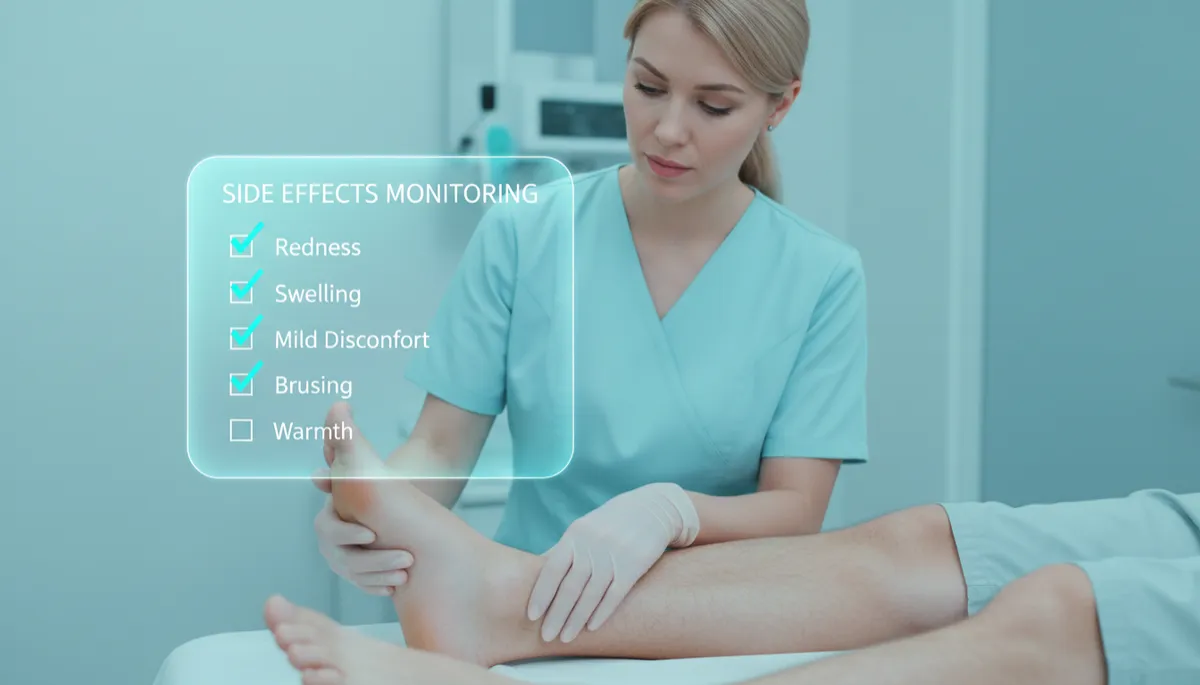
Systematic monitoring of side effects helps distinguish normal responses from safety concerns.
Contraindications: When Focused Shockwave Should Be Avoided
Contraindications are situations in which focused shockwave therapy should not be used because the risks may outweigh the benefits. Although specific guidelines may vary, common Contraindications include:
Active cancer or tumors in or near the treatment area
Pregnancy, particularly over the abdomen, pelvis, or lower back
Bleeding disorders or use of strong blood thinners, especially near major vessels
Open wounds, active skin infections, or ulcers at the treatment site
Recent surgery in the area, unless specifically cleared by the surgeon
Your provider should review these and any other condition-specific Contraindications as part of a structured treatment evaluation before recommending HyperWave or any focused shockwave therapy protocol.
Who Shouldn’t Do It? Patients Requiring Extra Caution
Beyond clear-cut contraindications, some individuals may still be candidates for focused shockwave therapy but only with specialist oversight and formal patient clearance. Extra caution is advised for people with:
Significant cardiovascular disease, especially if circulation to the limbs is reduced
Diabetes with neuropathy or poor wound healing in the feet or legs
Metal implants, joint replacements, or pacemakers near the proposed treatment site
Severe osteoporosis or fragile bones in the target area
In these cases, your provider may coordinate with your primary care physician, cardiologist, or other specialists to determine whether focused shockwave therapy including HyperWave protocols, can be delivered safely or should be avoided altogether.
The Role of Treatment Evaluation and Patient Clearance
A thorough treatment evaluation is the foundation of a safety-first focused shockwave program. Before your first session, your clinician should:
Review your full medical history, medications, and allergies
Confirm your diagnosis and rule out conditions that mimic tendon or joint pain
Assess for Contraindications and identify any red flag symptoms you may already have
Explain expected Side Effects, Safety Concerns, and what to watch for after each session
Only after this process should you receive formal patient clearance for focused shockwave therapy. This approach ensures that the therapy is tailored to your needs and that any potential risks are carefully managed from the outset.
Schedule a Safety-First Evaluation Before You Begin
If you are considering a HyperWave focused shockwave treatment program, the most important step you can take is to schedule a professional evaluation before your first session. A safety-focused consultation will clarify whether you are a good candidate, outline expected side effects, and address any specific safety concerns or contraindications based on your health history.
Ready to find out if HyperWave is right for you? Contact a clinic today to schedule a comprehensive treatment evaluation and if cleared, pain-mapping session. Our team will review your case, coordinate any necessary medical clearance, and design a personalized, safety-first plan to help you move with less pain and greater confidence.