Shock Wave Therapy: How It Works (and Why Medicine Keeps Finding New Uses for It)
Shock Wave Therapy: How It Works (and Why Medicine Keeps Finding New Uses for It)
Shock wave therapy (often shortened to SWT or ESWT) has one of those “wait, that’s what it does now?” origin stories.
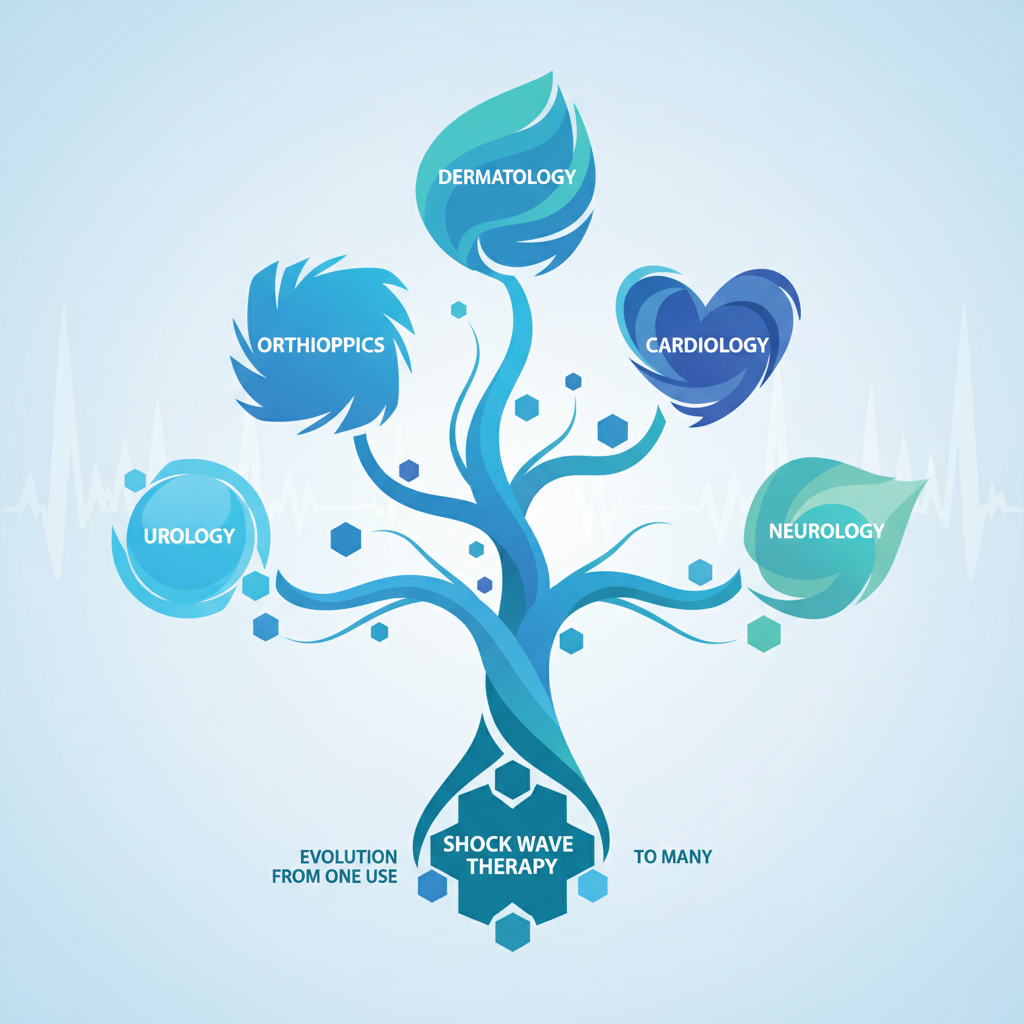
It started as a way to break up kidney stones—using targeted acoustic pulses to fragment hard, calcified material inside the body. But over the last few decades, researchers and clinicians have explored shock waves far beyond urology, testing and applying them in orthopedics, cardiology, wound care, neurology, and more.
A comprehensive narrative review published in Biomedicines walks through this evolution—from the underlying physics to the growing list of clinical applications and the biological mechanisms that may explain why it works.¹
What exactly is a “shock wave” in medicine?
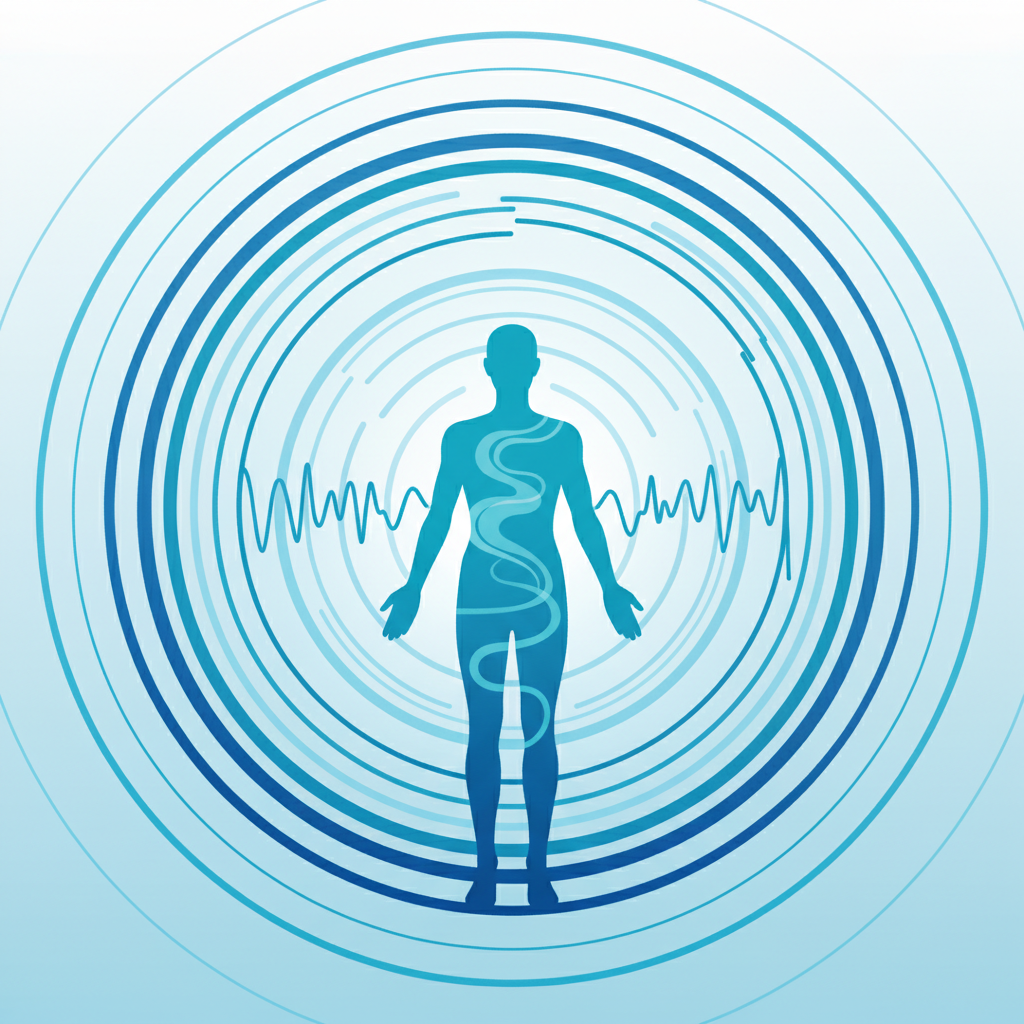
In medical terms, shock waves are high-energy acoustic pulses. They have a distinctive shape: a very fast rise to a high positive pressure, followed by a lower-pressure “tensile” phase.¹
Clinically, shock wave therapy is most often delivered extracorporeally (from outside the body), and devices can deliver waves in different ways—commonly described as focused, radial, or planar shock waves. Energy levels are often grouped into low, medium, and high, although the review notes that cutoffs aren’t universally standardized across studies.¹
How shock waves create effects in the body
For kidney stones, the mechanism is relatively straightforward: shock waves can create mechanical stress and cavitation effects that help crack and fragment calcified structures.¹
For soft tissue, the story is more complex—and more interesting.
The review describes how shock wave energy may be “translated” into biological change through mechanotransduction: cells sense mechanical forces through structures like the extracellular matrix, ion channels, and the cytoskeleton, then convert that physical input into biochemical signaling.¹
That signaling may influence things clinicians care about in real-world outcomes, including:
inflammation and immune signaling
blood vessel formation (angiogenesis)
tissue remodeling and regeneration
pain-related pathways¹
Importantly, the authors emphasize that while many mechanisms are proposed and supported by preclinical and clinical findings, not everything is fully settled, and more mechanistic research is still needed.¹
Where shock wave therapy is being used (and studied) today
1) Urology: the original home of shock waves
Shock wave therapy became well known through extracorporeal shock wave lithotripsy (ESWL) for kidney stones, and it remains a widely used approach.¹
The review also discusses expanding urology uses, including research and clinical evidence supporting low-energy shock wave therapy for erectile dysfunction, with proposed mechanisms involving angiogenesis and nerve-related pathways.¹
2) Orthopedics: tendons, heels, and stubborn pain
Orthopedics is one of the most established areas for ESWT beyond lithotripsy. The review notes FDA-approved uses such as plantar fasciitis and Achilles-related tendon disorders, supported by randomized trials.¹
Mechanistically, the paper highlights several plausible pathways—such as immune modulation (including macrophage phenotype shifts), growth factor signaling, and changes in pain mediators—that may help explain why some tendon conditions respond.¹
3) Cardiology: from ischemia to calcified arteries
Cardiology is an area of rapid innovation for shock wave technology.
The review covers:
extracorporeal cardiac shock wave therapy studied in ischemic heart disease and refractory angina (often linked to angiogenesis-related hypotheses), and
intravascular lithotripsy, a newer approach used during catheter-based procedures to treat heavily calcified coronary or peripheral artery lesions.¹
The authors also flag that while these technologies appear promising, safety questions (such as arrhythmia potential and platelet activation) deserve continued research attention.¹
4) Dermatology and wound care: chronic ulcers and scar remodeling
Another compelling area is tissue regeneration—especially chronic wounds like long-standing foot or leg ulcers. The review summarizes evidence suggesting ESWT can be a useful adjunct in wound care, potentially tied to improved perfusion and growth factor activity.¹
It also discusses early findings in scar-related applications, including post-burn hypertrophic scars, where shock waves may influence fibrosis-related signaling.¹
5) Neurology and rehab: spasticity, pain, and regeneration research
The review highlights growing evidence for ESWT in post-stroke spasticity, including use alongside conventional rehab approaches.¹ It also summarizes studies in chronic pain (including low back pain) and preclinical work exploring nerve regeneration and spinal cord injury models.¹
The big takeaway
Shock wave therapy is no longer “just for kidney stones.”
According to Rola and colleagues, the field is expanding because shock waves can trigger biological responses that may support healing, reduce pain, and improve function across very different tissues—though the authors stress that more high-quality trials and deeper mechanistic clarity are still needed, especially as applications move into more complex and higher-risk settings.¹
Reference
Rola P, Włodarczak A, Barycki M, Doroszko A.Use of the Shock Wave Therapy in Basic Research and Clinical Applications—From Bench to Bedsite.Biomedicines.2022;10(3):568. doi:10.3390/biomedicines10030568.