
Patient Spotlight: In NPR News - a Patient's Journey with Shockwave
Health, HyperWave Shockwave Therapy, Active Lifestyle
Finding Relief in Motion: Therapy for Heel and Elbow Pain
For many active people, heel and elbow pain can quietly take over daily life. This story follows one person’s path from persistent discomfort to meaningful relief with shockwave therapy, a noninvasive treatment option for plantar fasciitis and other overuse injuries.
When Everyday Movement Starts to Hurt
In this interview with NPR/Byline Reporter Allison Aubrey, she spoke with a retired physician about his health issue and journey. She introduces Jonathan Segal, a retired physician in his early 70s who is always on the go. He is described as someone who rides his bike, he plays pickleball and he volunteers at a nature preserve, where he spends a lot of time on his feet. So imagine how he felt when a searing pain set in unexpectedly and abruptly.
"When I first got up from being in bed or sitting in a chair, my first steps would be painful in the heel. And that's very typical plantar fasciitis symptoms." - Jonathan
He had researched and found out about a treatment called extracorporeal shock wave therapy, or ESWT, and he found a physician who offers it at Stanford University School of Medicine.
What Shockwave Therapy Is — and Why It’s Different
Shockwave therapy, often called extracorporeal shockwave therapy (ESWT), uses targeted sound waves applied from outside the body to the painful area. Unlike surgery, there are no incisions, stitches, or anesthesia. A handheld device is placed on the skin with a layer of gel, and short pulses of energy are delivered into the tissue below. Many people describe the sensation as uncomfortable but tolerable, and sessions typically last only minutes.
This interview article from NPR News discusses Jonathan's journey and how his physician and he worked together on his journey to heal him. It also explores how this technology, originally used in other medical fields, is now being used more widely for chronic pain conditions, including plantar fasciitis and tendon injuries. You can read more about this interview here: https://www.npr.org/transcripts/nx-s1-5721112.
Plantar Fasciitis and Overuse Injuries: How Shockwave Therapy Helps
Plantar fasciitis involves irritation of the thick band of tissue along the bottom of the foot. Each step can feel like a sharp jab in the heel, particularly first thing in the morning or after long periods of standing. Overuse injuries at the elbow, such as tennis elbow or golfer’s elbow, develop when tendons are repeatedly stressed by gripping, lifting, or swinging movements.
Shockwave therapy is thought to stimulate blood flow, support tissue repair, and disrupt pain signals in these irritated areas. For many people with long-standing plantar fasciitis or stubborn elbow tendinopathy, it offers an option between basic conservative care and more invasive procedures. While results vary, research and clinical experience suggest that a series of treatments can reduce pain and improve function over weeks to months.
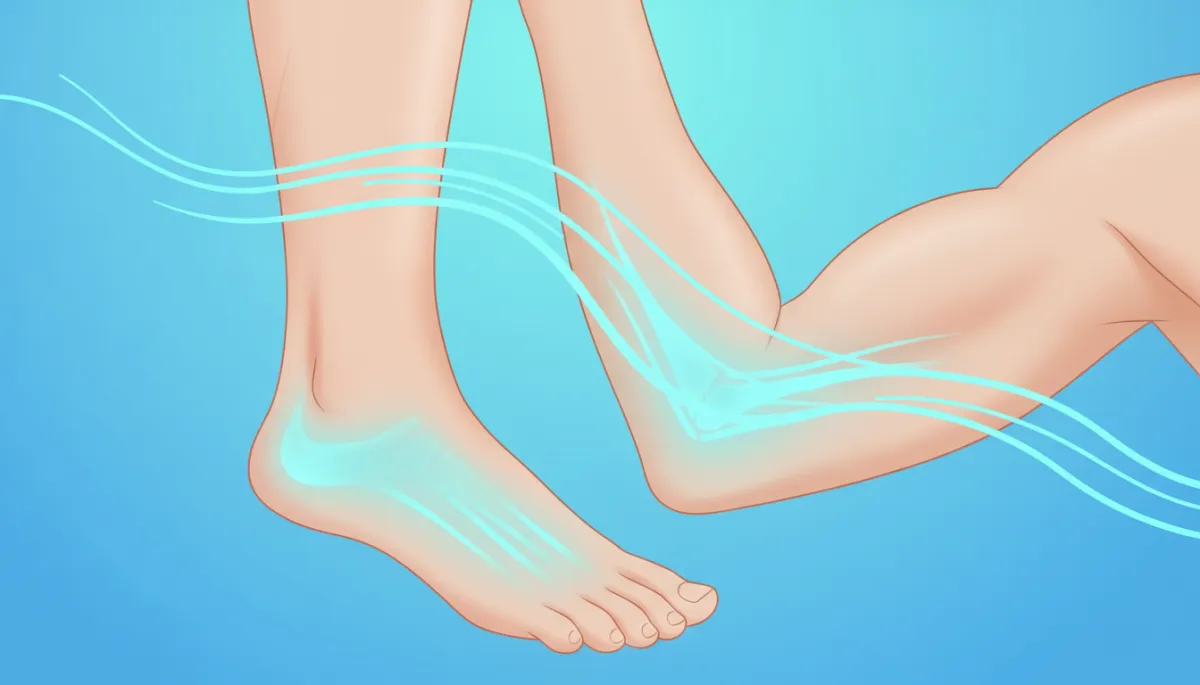
Focused sound waves aim to support healing in irritated heel and elbow tissues.
A Noninvasive Option That Fits an Active Lifestyle
For Jonathan, one of the main advantages of shockwave therapy was its noninvasive nature. He did not need a long recovery time for the procedure and there was no hospital stay. After each session, he could walk out of the clinic and continue his day, following his clinician’s guidance about activity levels and stretching. Mild soreness after treatment was manageable and temporary.
This made shockwave therapy particularly suitable for her active lifestyle. Rather than stopping all movement, he worked with his care team to adjust, focus on low-impact exercise, and gradually return to his daily activities and hobbies as his symptoms improved. Over several weeks, the sharp pain softened to a dull ache, then faded.
📌 Key Takeaway: Shockwave therapy is not a quick fix, but for many people with plantar fasciitis or elbow overuse injuries, it can be a valuable noninvasive tool within a broader plan that includes stretching, strength work, and activity modification.
Considering Shockwave Therapy for Your Own Pain
If heel or elbow pain is limiting the activities you enjoy, a discussion with a qualified healthcare professional can help you understand whether shockwave therapy is appropriate for you. They can review your medical history, examine the affected area, and explain realistic expectations, including how many sessions you might need and how to combine treatment with supportive exercises or footwear changes.
For individuals who value staying active, the appeal of a noninvasive, clinic-based treatment that fits around work, family, and sport is clear. While no single therapy works for everyone, shockwave therapy offers a promising option for managing plantar fasciitis, tennis elbow, and other overuse injuries without stepping away from the life you are working hard to lead.