Improving Shockwave Therapy Outcomes
Shockwave Therapy, Patient Outcomes, HyperWave
Why Some People Don’t Respond to Focused Shockwave (and How Clinics Improve Outcomes)
Focused Shockwave Therapy helps many people, but a small group are labeled “Non-responders.” Understanding why some people don't respond to focused shockwave therapy is the first step to turning a “failed” course of care into a better recovery story.
When “Non-Responders” Aren’t Really Non-Responders
Research shows outcomes depend heavily on the details of care, not just the device itself (for example, recent systematic reviews highlight wide variation in ESWT parameters and results1,2). Many so‑called Non-responders are actually victims of imperfect dosing/protocol, a diagnosis mismatch, or activity mistakes between sessions.
1. Getting Dosing/Protocol Right
Energy level, number of shocks, session frequency, and total treatment duration all matter. Studies in 2026 still report heterogenous treatment protocols, with different results for tendons, bone, pelvic pain, and low back pain.1–3 Too few sessions, too low an energy dose, or stopping early can all make focused shockwave therapy look ineffective when it was simply under-dosed.
2. Diagnosis Mismatch and Activity Errors
A diagnosis mismatch—for example, treating “plantar fasciitis” when the real driver is nerve irritation or a stress fracture—will blunt any modality, including focused shockwave therapy. Likewise, doing “too much, too soon” after each visit, or ignoring loading guidelines, are common activity errors that quietly sabotage healing.
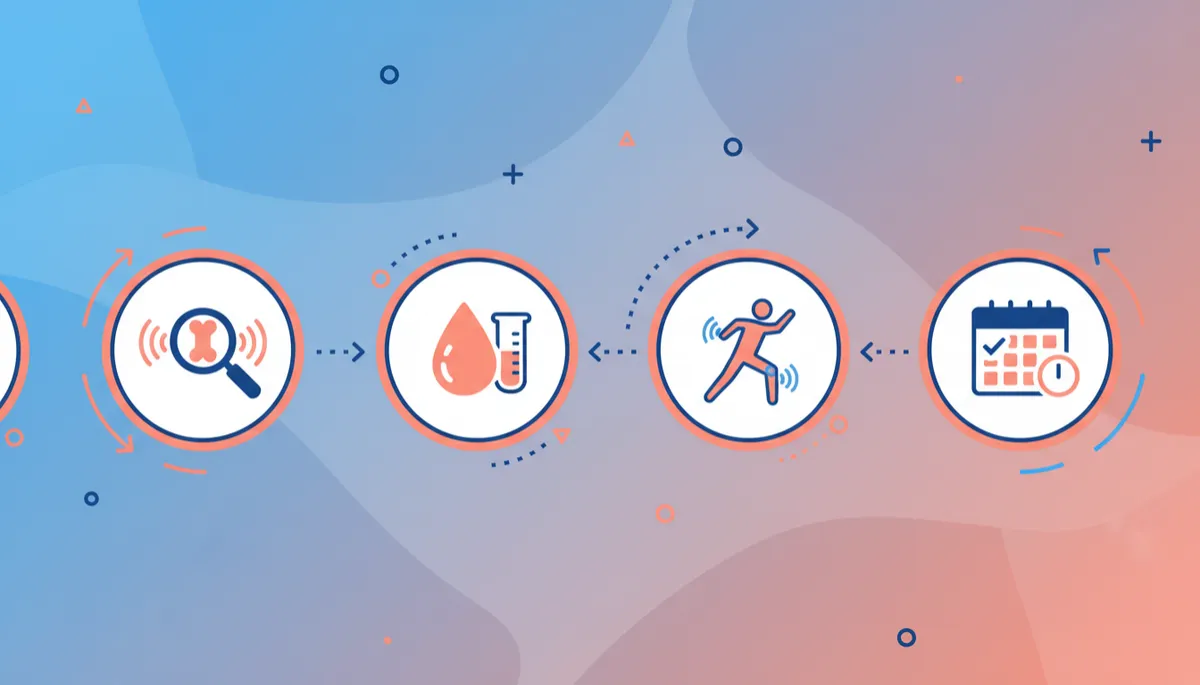
Clear protocols plus tailored activity guidelines dramatically improve real-world patient outcomes.
What to Do Next: Clinic Reassessment at HyperWave
If your pain didn’t improve, it doesn’t automatically mean you can’t benefit from Hyperwave focused shockwave therapy. It means you need a fresh look. A structured Clinic Reassessment at a HyperWave clinic reviews:
The original diagnosis and imaging to catch any diagnosis mismatch
Previous dosing/protocol choices and whether they matched current evidence
Your activity, work, and sport loads between sessions
From there, HyperWave clinicians design a revised plan—often combining Shockwave Therapy with targeted exercise and load management—to improve Patient Outcomes. If you’ve been told you’re a “Non-responder,” consider it an invitation, not a verdict: get reassessed at a HyperWave clinic and give your recovery a smarter second chance.