
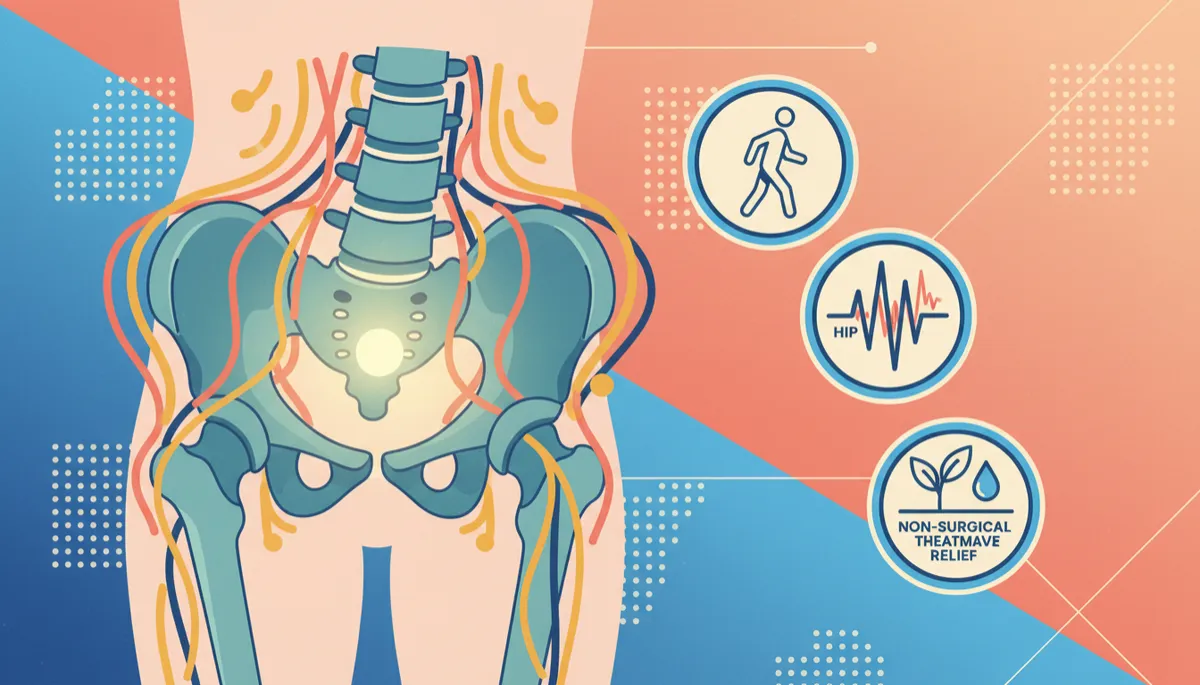
Hip Pain When Walking: Causes & Non-Surgical Relief
Hip Pain, Hip Bursitis, Joint Pain Relief, Non-surgical Treatment
Hip Pain When Walking: Common Causes and Smart Next Steps
Hip pain that shows up every time you walk can be frustrating, limiting, and worrying. Whether it is a new ache after a long day on your feet or a nagging pain that has slowly worsened, understanding why your hip hurts and what to do next is essential. This guide offers a clear, patient-friendly framework to help you make sense of hip pain when walking, recognize when it may be hip bursitis or another condition, and explore modern, non-surgical treatment options—including advanced technologies such as Hyperwave shockwave therapy.
Why Does My Hip Hurt When I Walk?
“Hip pain” is a broad phrase that can describe discomfort in the front of the hip, deep in the groin, along the outer hip, or even around the buttock. When you walk, several structures work together—bones, cartilage, muscles, tendons, and fluid-filled sacs called bursae. Irritation or injury in any of these tissues can lead to pain with each step. The most common causes include:
Hip bursitis – inflammation of the bursa, often felt as sharp or aching pain on the outer side of the hip, worse with walking, climbing stairs, or lying on that side.
Tendon irritation or tendinopathy – overuse or strain of the tendons that control hip movement, commonly affecting the gluteal and hip flexor tendons.
Hip osteoarthritis – wear and tear of the joint cartilage, often causing stiffness, reduced hip mobility, and pain that is worse after activity or prolonged standing.
Muscle strain or imbalance – tight or weak muscles around the hip and pelvis can change how you walk and place extra stress on the joint.
Referred pain – issues in the lower back, sacroiliac joint, or even the knee can sometimes feel like hip pain when walking.
Understanding which structures are likely involved is the first step toward targeted joint pain relief. However, many people are left with a major unaddressed question: “Is my hip pain serious, and what should I do right now?”
A Patient-Friendly Triage Framework for Hip Pain When Walking
To answer that question, it helps to think in terms of triage—sorting your hip pain into one of three categories: red flag, yellow flag, and green flag. This simple framework is not a diagnosis, but it can guide your next steps and help you decide how quickly to seek care.
1. Red Flag: Seek Urgent Medical Attention
Hip pain is considered a red flag if it is severe, sudden, or accompanied by concerning symptoms. Call your healthcare provider or seek urgent care if you notice:
Inability to put weight on the leg or walk even a few steps.
A fall, accident, or trauma followed by intense hip pain.
Visible deformity, sudden swelling, or a leg that looks shorter or turned outward.
Fever, chills, or feeling unwell along with a very painful, hot joint (possible infection).
⚠️ Warning: Do not try to “walk off” hip pain after a fall or injury if you cannot bear weight comfortably. Prompt evaluation can protect the joint and prevent complications.
2. Yellow Flag: Schedule a Professional Evaluation Soon
Many people live with hip pain when walking that is not an emergency but is clearly affecting daily life. You are in the yellow flag category if:
Hip pain has lasted more than one to two weeks without clear improvement.
You feel stiffness and reduced hip mobility, especially in the morning or after sitting.
Pain is limiting your ability to walk, exercise, climb stairs, or sleep comfortably.
This pattern is common with hip bursitis, tendon irritation, and early osteoarthritis. These conditions often respond well to non-surgical pain care when addressed early. Scheduling an evaluation with a musculoskeletal specialist, physical therapist, or pain management provider can help you identify the cause and build a personalized plan for joint pain relief.
3. Green Flag: Self-Care with Monitoring
Mild hip discomfort that appears only after a longer walk, a new workout, or an unusually active day may fall into the green flag category. In this case, pain is typically:
Low to moderate in intensity.
Improving within a few days with rest, gentle stretching, and over-the-counter measures.
Not associated with swelling, warmth, or night pain that wakes you from sleep.
Even in the green flag zone, it is wise to address early warning signs. Improving hip mobility, strengthening the surrounding muscles, and adjusting activity levels can prevent minor irritation from turning into chronic hip pain when walking.

A simple red–yellow–green framework helps you decide how quickly to act.
Is It Hip Bursitis? Key Clues to Watch For
Hip bursitis is one of the most frequent reasons people feel hip pain when walking. The most commonly affected area is the outer side of the hip, over the bony point called the greater trochanter. You may suspect hip bursitis if:
Pain is located on the outer hip and can spread down the side of the thigh.
Walking, climbing stairs, or standing on one leg worsens the discomfort.
Lying on the affected side is painful, especially at night.
Hip bursitis is often linked to repetitive stress, increased walking or running, leg length differences, or weakness in the gluteal muscles. The good news is that it usually responds well to non-surgical treatment focused on reducing inflammation, improving hip mechanics, and restoring balanced strength.
Smart Non-Surgical Next Steps for Joint Pain Relief
Once serious causes are ruled out, most people with hip pain when walking can start with a structured, non-surgical pain care plan. This approach aims to calm irritation, restore hip mobility, and support long-term joint health without immediately turning to injections or surgery.
1. Activity Adjustments and Targeted Rest
Rather than complete rest, most hip conditions respond better to smart activity modification. This may include:
Shortening walking distances temporarily and avoiding steep hills or uneven ground.
Switching to lower-impact activities such as cycling or swimming while symptoms settle.
Using supportive footwear and, when appropriate, an assistive device like a cane for short periods.
2. Restoring Hip Mobility and Strength
Healthy hip mobility allows the joint to move through its full range without strain. A physical therapist or movement specialist can design a program that includes:
Gentle stretching for the hip flexors, gluteal muscles, and iliotibial band to reduce tension.
Strengthening exercises for the gluteus medius and core to improve pelvic stability and walking mechanics.
Balance and gait training to correct compensations that overload the hip.
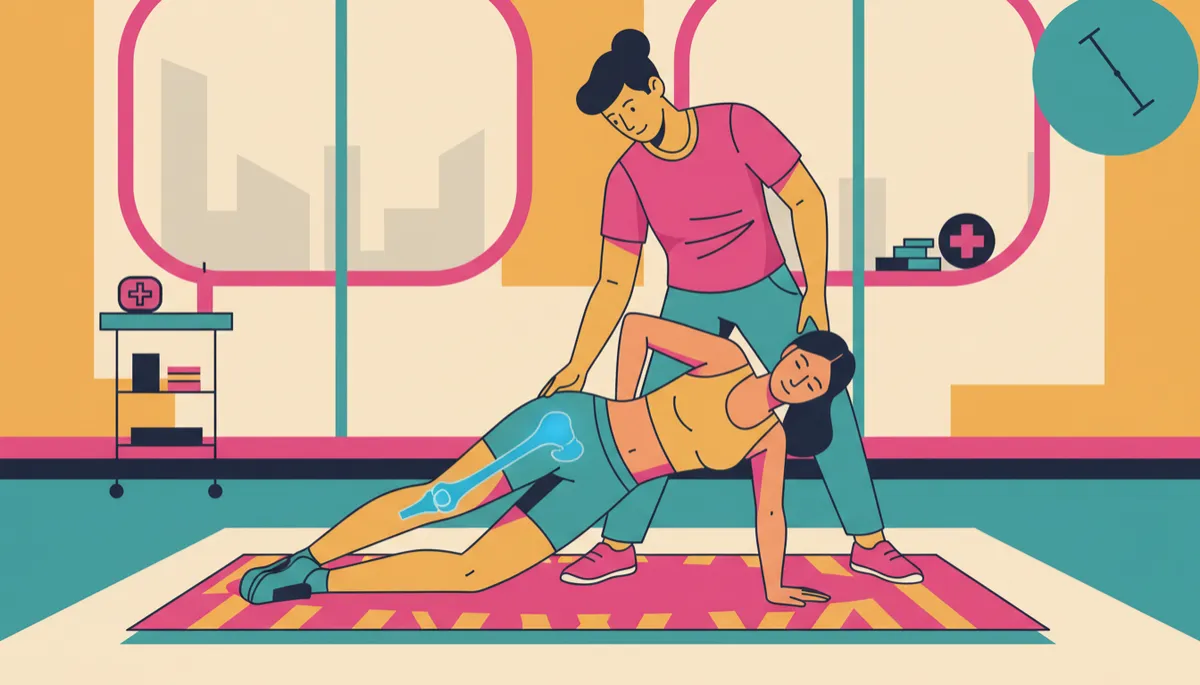
Targeted exercises can restore hip mobility and reduce strain with every step.
3. Medication and Local Care
For many individuals, short-term use of over-the-counter anti-inflammatory medications (when safe and approved by a healthcare provider), along with ice or heat, can help manage symptoms. Topical creams and patches may also support joint pain relief without the systemic side effects of higher-dose oral medications.
4. Advanced Non-Surgical Treatment Options, Including Shockwave Therapy
When hip pain when walking persists despite basic measures, many people assume surgery or long-term injections are the only remaining choices. However, there is a growing range of advanced, non-surgical treatment options designed to stimulate healing and reduce pain in soft tissues like tendons and bursae.
One such option is shockwave therapy, which uses focused acoustic waves delivered to the affected area. This treatment is thought to increase blood flow, break up abnormal tissue, and encourage the body’s natural repair processes. Hyperwave is an example of a modern system that can deliver this type of focused shockwave therapy in a controlled, clinic-based setting as part of a broader, non-surgical pain care plan.
For appropriate patients—such as those with chronic hip bursitis, gluteal tendinopathy, or stubborn soft-tissue pain around the hip—shockwave therapy may be combined with exercise therapy, manual techniques, and lifestyle changes. The goal is to reduce pain, enhance hip mobility, and help you return to walking, work, and recreation with greater confidence.
💡 Pro Tip: Ask your provider whether advanced non-surgical treatments, such as Hyperwave shockwave therapy, are appropriate for your specific diagnosis and goals before considering more invasive procedures.
Putting It All Together: Your Next Steps for Hip Pain When Walking
Hip pain does not have to be a permanent part of your daily routine. By recognizing where you fall in the red–yellow–green triage framework, you can respond appropriately—seeking urgent care when needed, scheduling a timely evaluation for persistent symptoms, or taking proactive steps to support your hip at home.
Pay attention to the location, timing, and triggers of your hip pain when walking; these details help guide diagnosis.
Consider whether your symptoms match common patterns of hip bursitis, tendon irritation, or early arthritis, and share these observations with your clinician.
Explore a comprehensive, non-surgical treatment plan that may include activity modification, mobility work, strengthening, medications when appropriate, and advanced options such as Hyperwave shockwave therapy.
The earlier you address hip pain, the easier it is to restore comfortable movement and protect the long-term health of your joints. If walking has become something you dread instead of enjoy, consider this your sign to take the next step—reach out to a qualified provider, ask informed questions, and build a personalized plan for lasting joint pain relief.