
Focused Shockwave vs Ultrasound for Tennis Elbow: What a 2024 RCT Found
Focused Shockwave vs Ultrasound for Tennis Elbow: What a 2024 RCT Found
Tennis elbow (lateral epicondylitis) has a way of lingering.
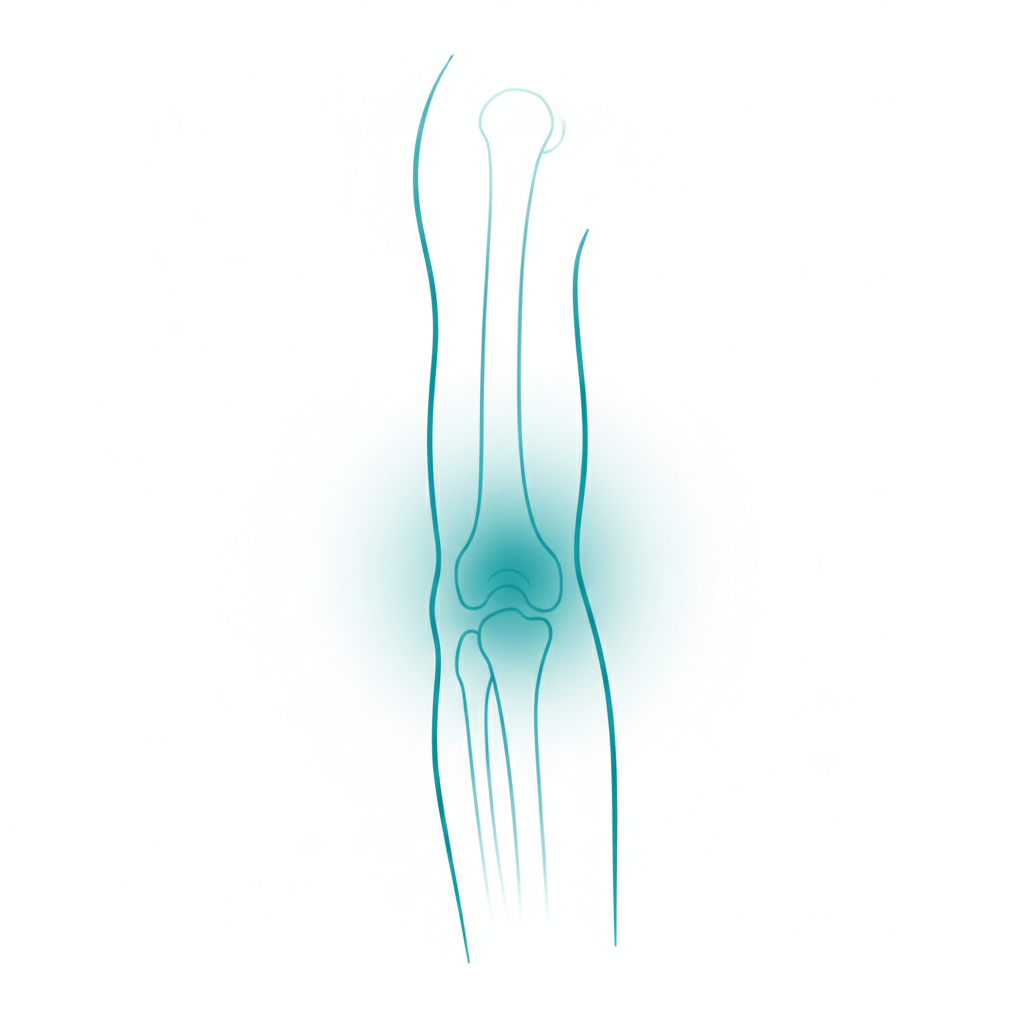
For some people, it starts as a mild ache on the outside of the elbow, then turns into pain that shows up every time you grip, lift, type, or train. And once symptoms stick around for a few months, patients often start looking for conservative treatments that actually move the needle.
A 2024 randomized controlled trial compared two common "mechanical wave" therapies, focused shock wave therapy (FSWT) and therapeutic ultrasound, in people with persistent tennis elbow. The results: both helped, but focused shockwave led to greater improvements in pain and function.
Below is the HyperWave-friendly breakdown.
Quick refresher: what is tennis elbow?
Lateral epicondylitis is typically described as a degenerative tendinopathy affecting the wrist extensor tendons where they attach near the lateral epicondyle of the humerus. In plain terms: repeated overload can create micro-injury, and over time the tendon can develop degenerative changes that cause pain and reduce function.
The hallmark symptoms are:
Pain on the outside of the elbow
Tenderness at the lateral epicondyle
Pain with gripping and resisted wrist/finger extension
Reduced strength and confidence using the arm
The study at a glance
Król P et al. (2024) ran a randomized controlled trial to compare:
Focused shockwave therapy (FSWT)
Ultrasound therapy
Placebo (sham) ultrasound
All participants also received deep friction massage, which is commonly used in tendinopathy care.
Who was included?
The study enrolled 60 adults with lateral epicondylitis symptoms lasting at least 3 months. Participants were recreationally active and met clinical exam criteria (e.g., pain on palpation and positive provocation tests).
How were treatments delivered?
Participants were randomized into three equal groups:
Group A (FSWT): 3 sessions total, spaced 7 days apart. Parameters were 0.2 mJ/mm�b2, 4 Hz, 2000 shocks per session, applied to the most painful point.
Group B (Ultrasound): 10 sessions over 2 weeks (weekdays). Parameters were 3 MHz, 0.5 W/cm�b2, 20% duty cycle, 5 minutes at the painful point.
Group C (Placebo ultrasound): same schedule and setup as Group B, but no ultrasound energy.
All groups also received deep friction massage (12 minutes, every other day during the treatment period, total of 7 sessions).
What outcomes did they measure?
Patients were assessed before treatment and at 1, 3, 6, and 12 weeks after therapy ended.
Key outcomes included:
Pain during activity (0–10 numerical rating scale)
Function/disability using the PRTEE (Patient-Rated Tennis Elbow Evaluation)
Strength measures: wrist extensor strength, wrist flexor strength, and grip strength
What they found
1) Pain and function improved in all groups, but FSWT improved more
By 6 and 12 weeks, all groups showed significant improvements compared to baseline.
But when the researchers compared the size of the improvements, FSWT outperformed ultrasound for the subjective outcomes:
Pain reduction and PRTEE (function) improvements were significantly greater in the FSWT group than the ultrasound group at 6 and 12 weeks.
One striking detail from the paper:
At 12 weeks, activity-related pain decreased by about 76% in the FSWT group versus about 45% in the ultrasound group.
The kind of difference patients feel in daily life, especially if their symptoms have been dragging on for months.
2) Strength improved with both therapies, and was fairly comparable
Both FSWT and ultrasound groups showed increases in:
Wrist extensor strength
Grip strength
However, the study did not find statistically significant between-group differences in percentage changes for muscle strength outcomes in the affected limb.
Translation: both approaches may help strength rebound over time (likely in part because pain decreases and the arm can be used more normally), but FSWT separated itself most clearly on pain and function.
Why might focused shockwave outperform ultrasound?
The authors discuss that shock waves and ultrasound differ in their physical characteristics and how they interact with tissue.
Focused shockwave concentrates energy into a small focal zone at a targeted depth, delivering a more intense mechanical stimulus than ultrasound. Mechanistically, shockwave is often discussed in terms of mechanotransduction triggering cellular and tissue-level responses involved in repair and remodeling.
Ultrasound, by contrast, is a different type of wave with effects that can include thermal and physicochemical changes.
What about side effects?
In this trial:
No adverse effects were reported from ultrasound.
FSWT was described as more intense: some participants reported tolerable pain during treatment, and a small number experienced temporary swelling or subcutaneous hematoma that resolved before the next session.
The HyperWave takeaway
If you are dealing with persistent tennis elbow, this 2024 randomized trial suggests a practical message:
Both ultrasound and focused shockwave (when paired with deep friction massage) helped.
Focused shockwave produced greater improvements in pain and function than ultrasound.
Strength gains were similar between the active treatment groups.
For many patients, the are able to achieve their real goal: less pain with gripping and lifting, better function, and a path back to normal training and work.
Full citation
Król P, Łojewski B, Król T, Kuszewski M, Stania M. Focused shock wave and ultrasound therapies in the treatment of lateral epicondylitis - a randomized control trial. Sci Rep. 2024 Oct 30;14(1):26053. doi: 10.1038/s41598-024-77410-w. PMID: 39472446; PMCID: PMC11522674.
Educational content only. This article is not medical advice. If you have elbow pain, consult a qualified clinician for diagnosis and a personalized treatment plan.