

ESWT for Chronic Plantar Fasciitis: What a Systematic Review of RCTs Found
ESWT for Chronic Plantar Fasciitis: What a Systematic Review of RCTs Found
If you've ever dealt with plantar fasciitis, you know it's not just heel pain. It's the kind of sharp, stubborn discomfort that can hijack your mornings, change the way you walk, and quietly limit everything from workouts to simple errands.

When plantar fasciitis becomes chronic (lasting for months), many people start looking beyond basic rest, stretching, and shoe changes especially if symptoms keep returning.
One treatment that continues to gain attention is extracorporeal shock wave therapy (ESWT).
A systematic review of randomized controlled trials (RCTs) by Melese and colleagues examined whether ESWT improves pain and foot function in people with chronic plantar fasciitis. Here's what that research means in plain English and how to think about it if you're considering ESWT.
What is ESWT?
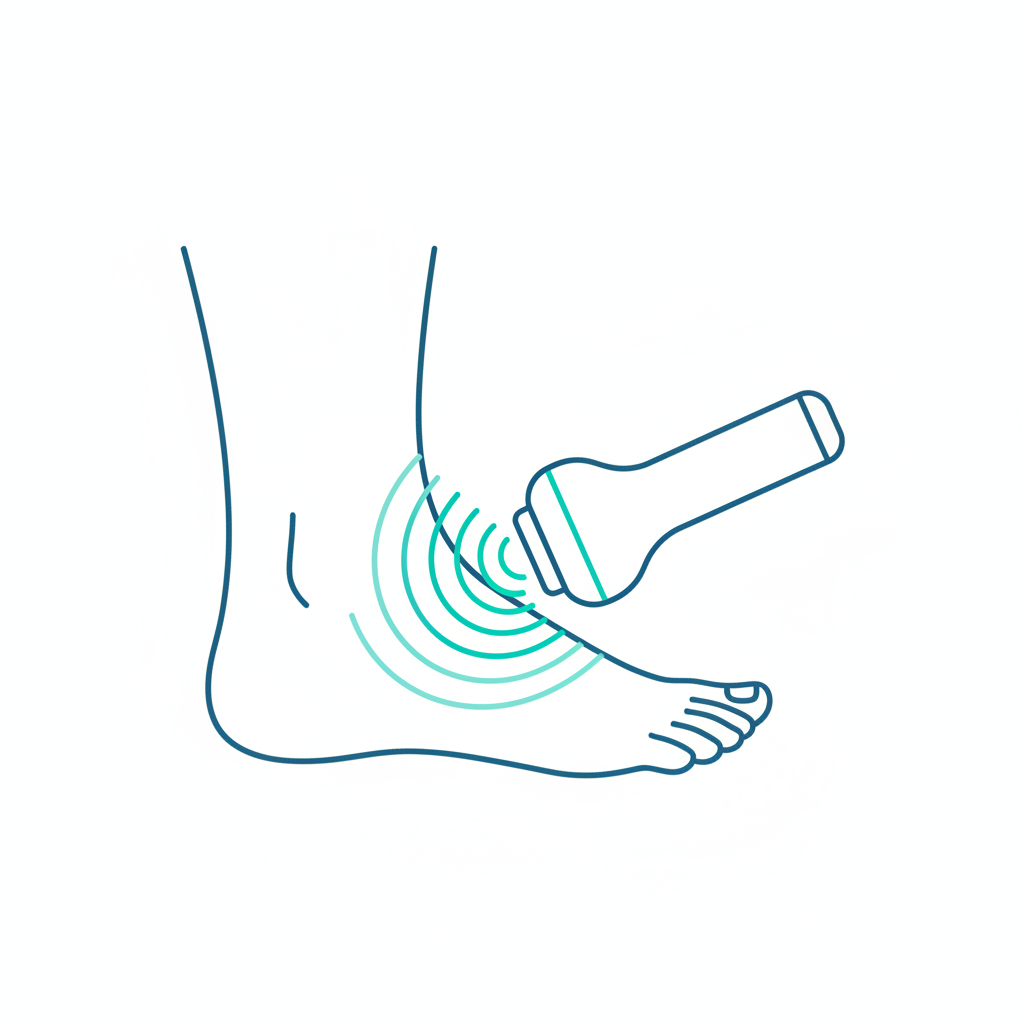
ESWT is a noninvasive therapy that delivers acoustic shock waves through the skin to targeted tissue. In musculoskeletal care, ESWT is commonly used to support recovery in stubborn tendon and fascia problems.
For plantar fasciitis, the goal isn't to numb the pain. It's to influence the underlying tissue environment in a way that supports healing and improved function over time.
Why plantar fasciitis can become chronic
Plantar fasciitis is often triggered by overload: sudden increases in walking/running volume, long hours standing, footwear changes, reduced ankle mobility, calf tightness, or strength deficits.
When the tissue stays irritated long enough, pain can become persistent and people may unconsciously change their gait, which can create a cascade of new issues (ankle, knee, hip, even low back).
That's why treatments that help reduce pain and restore foot function are so valuable.
What this systematic review looked at
Melese et al. (2022) conducted a systematic review of randomized controlled trials evaluating ESWT for chronic plantar fasciitis.
RCT-focused reviews matter because they prioritize higher-quality study designs (randomization, control/comparator groups), which helps reduce the chance that results are due to placebo effects or selection bias.
The review specifically examined outcomes related to:
Pain
Foot function (how well the foot performs in daily life and activity)
What the review suggests (big picture)
While the paper's detailed effect sizes and subgroup findings aren't included in the citation snippet you shared, the purpose and framing of the review are clear: it evaluates whether ESWT improves pain and foot function in chronic plantar fasciitis based on RCT evidence.
In practical terms, this is the question most patients care about:
Will this help my heel pain?
Will I be able to walk, train, and live normally again?
Systematic reviews like this help clinicians move beyond anecdotes and look at the overall direction of the best available evidence.
How to think about ESWT if you're considering it
A smart way to approach ESWT for plantar fasciitis is to treat it as a force multiplier, not a standalone fix.
ESWT may help reduce pain and improve function but lasting results usually come from pairing it with the fundamentals:
Progressive loading (strengthening the foot/ankle/calf in a structured way)
Mobility work (especially calf/ankle range of motion)
Footwear and activity adjustments (temporary, strategic changes not permanent avoidance)
Return-to-run / return-to-activity planning if you're an athlete
This combination matters because plantar fasciitis is often a capacity problem: the tissue is being asked to do more than it can currently tolerate.
The HyperWave takeaway
Chronic plantar fasciitis can be frustrating because it lingers and because it affects something you can't avoid: walking.
The good news is that higher-quality evidence continues to evaluate ESWT as a noninvasive option aimed at improving both pain and foot function. If you're stuck in a cycle of flare-ups, ESWT may be worth discussing with a qualified provider as part of a broader plan to rebuild tissue capacity and restore normal movement.
Reference
Melese H, Alamer A, Getie K, Nigussie F, Ayhualem S. Extracorporeal shock wave therapy on pain and foot functions in subjects with chronic plantar fasciitis: systematic review of randomized controlled trials. Disabil Rehabil. 2022;44(18):5007-5014. doi:10.1080/09638288.2021.1928775. PMID: 34038642.
Educational content only. This article is not medical advice. Consult a qualified clinician for diagnosis and treatment options.