
Chronic Low Back Pain: Non-Surgical Treatments
Chronic Low Back Pain, Non-surgical Treatment, Rehabilitation
Chronic Low Back Pain: Non-Surgical Options to Consider
Living with chronic low back pain can affect every part of daily life, from work and exercise to sleep and mood. While surgery is sometimes necessary, many people can manage or significantly reduce their symptoms with evidence-informed, non-surgical treatment strategies. This article outlines key options to discuss with your healthcare team so you can make confident, informed decisions about your back care.
Understanding Chronic Low Back Pain
Chronic low back pain is typically defined as pain persisting for longer than three months. It may have started after an injury, a period of heavy lifting, or with no clear trigger at all. Over time, pain can become more complex, involving not only muscles, joints, and discs, but also the nervous system and even stress, sleep quality, and emotional health. This is why a single “quick fix” rarely works. Instead, a combination of non-surgical treatment approaches is often most effective.
A thorough assessment from a qualified professional—such as a physical therapist, sports medicine physician, or spine specialist—can help identify the main drivers of your symptoms and guide a tailored plan. The goal is not only to reduce pain, but also to restore function, confidence in movement, and quality of life.
Non-Surgical Treatment: A Multi-Faceted Approach
Non-surgical treatment for chronic low back pain usually combines several strategies. These may include education about pain, activity modification, targeted exercise, manual therapy, shockwave therapy, and load management strategies. When integrated thoughtfully, these approaches can reduce reliance on medications and help many individuals avoid or delay surgery.
📌 Key Takeaway: The most effective non-surgical plans are individualized, progressive, and active—focusing on what you can do, not only on what should be avoided.
HyperWaveTherapy: A Tool for Pain and Tissue Irritation
HyperWave therapy is a non-invasive treatment that uses acoustic waves delivered through the skin to targeted tissues. In the context of chronic low back pain, it may be used to address painful muscle trigger points, tendon insertions around the pelvis, or other soft-tissue irritations that contribute to your symptoms. Sessions are usually brief, and many people tolerate the procedure well, experiencing only temporary discomfort during treatment.
While HyperWave therapy is not a stand‑alone cure, it can be a useful adjunct when combined with active rehabilitation. By helping to reduce localized pain and muscle tension, it may make it easier to participate in exercise, improve movement quality, and progress your physical therapy program more comfortably.
Physical Therapy Options: More Than Just Passive Care
Modern physical therapy options for chronic low back pain emphasize education, movement, and progressive loading rather than prolonged passive treatments. Your therapist may begin with gentle mobility work, breathing drills, and strategies to help you move with less fear and stiffness. As your confidence grows, the focus typically shifts toward more active, strength-based rehabilitation.
Manual therapy and soft-tissue techniques to ease short-term pain and stiffness, creating a window of opportunity for exercise.
Movement retraining to improve how you bend, lift, sit, and walk, reducing strain on sensitive structures.
Individualized exercise programs that gradually build flexibility, endurance, and strength in the spine, hips, and core.
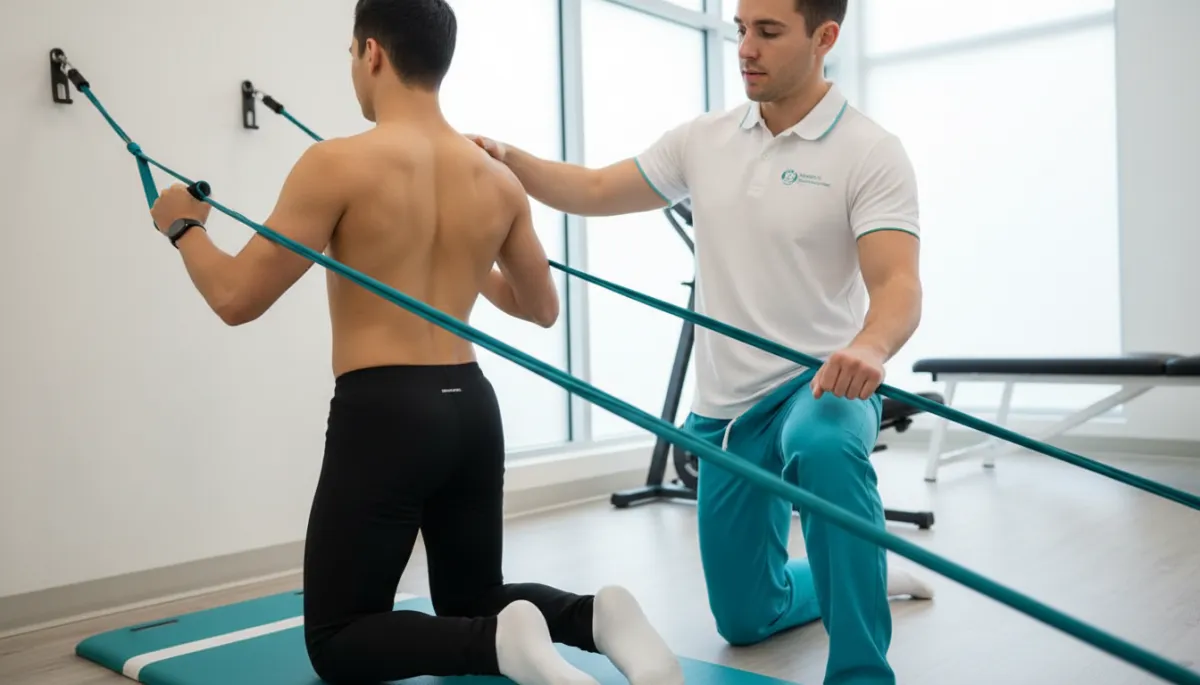
Progressive, supervised exercise helps rebuild strength and confidence in everyday movements.
Load Management Strategies: Balancing Rest and Activity
Many flare‑ups of chronic low back pain are linked to sudden changes in “load”—for example, a weekend of heavy yard work after a sedentary week, or long hours at a desk without breaks. Load management strategies aim to smooth out these spikes by adjusting how much, how often, and how intensely you perform certain tasks. Rather than complete rest, the emphasis is on smart activity.
Breaking prolonged sitting or standing with brief movement breaks.
Gradually increasing walking distance, lifting demands, or exercise volume instead of making abrupt changes.
Planning recovery days after heavier physical tasks to allow tissues to adapt.
💡 Pro Tip: Keeping a brief diary of activities, pain levels, and sleep can help you and your clinician identify patterns and fine‑tune your load management strategies.
Strength-Based Rehabilitation: Building a More Resilient Back
Strength-based rehabilitation is a cornerstone of long-term recovery from chronic low back pain. The aim is to progressively load the muscles of the trunk, hips, and legs so they can better support the spine during everyday tasks and recreational activities. Contrary to common fears, carefully prescribed strength training is generally safe and can reduce pain over time by improving tissue capacity and confidence in movement.
Programs often start with simple bodyweight exercises—such as bridges, supported squats, or hip hinges—before progressing to resistance bands, free weights, or gym machines. Your therapist will adjust the intensity, sets, and repetitions based on your symptoms and goals, ensuring that increases in load are gradual and well tolerated. Consistency is crucial: small, regular steps usually outperform sporadic, intense efforts.
Putting It All Together and Next Steps
Chronic low back pain is challenging, but it is not hopeless. A thoughtful non-surgical treatment plan that may include HyperWave therapy, tailored physical therapy options, sound load management strategies, and strength-based rehabilitation can meaningfully reduce pain and improve function for many individuals. Partnering with a qualified healthcare professional who listens to your concerns, explains your condition clearly, and involves you in decision‑making is essential.
If persistent back pain is limiting your life, consider seeking an assessment from a spine‑focused clinician or physiotherapist experienced in managing chronic low back pain. With the right guidance and a structured, active approach, it is often possible to move more freely, return to valued activities, and regain confidence in your back without surgery.