

Back Pain at the Gym: Train or Rest?
Back Pain, Gym Training, Pain Management
Back Pain at the Gym: When to Train vs When to Rest
Back pain is one of the most common reasons people hesitate to continue gym training. Knowing when to push through and when to pause can protect your spine, support long-term progress, and prevent minor issues from becoming serious injuries.
Understanding Back Pain During Gym Training
Not all back pain is the same. Some discomfort is related to normal post-exercise soreness, while other pain may signal irritation of joints, discs, or nerves. As a general guide, muscle soreness feels dull, achy, and improves with gentle movement, whereas sharp, catching, or radiating pain often indicates something more serious that requires caution.
Rest vs Train: How to Decide Safely
The Rest Vs Train decision should be guided by symptoms, not motivation alone. Consider resting and seeking professional advice if you experience:
Sudden, severe back pain after a specific lift or movement
Pain radiating into the leg, numbness, or tingling sensations
Loss of strength, coordination, or difficulty standing upright
In these cases, pushing through can worsen the issue. Rest, evaluation, and a structured pain management plan are essential before returning to full gym training intensity.
💡 Professional Insight: If your back pain changes your movement pattern (you limp, twist, or brace differently), treat that day as a recovery day rather than a heavy training day.
When It Is Reasonable to Keep Training
Many people with a history of back pain can and should continue to exercise. Light to moderate activity often improves circulation, reduces stiffness, and supports recovery. Training is generally acceptable when:
Pain is mild, stable, and does not worsen as the session progresses
You can maintain proper technique without compensating or holding your breath excessively
Symptoms ease within 24 hours of training or feel better after gentle movement
Exercise Modifications to Protect Your Back
Strategic exercise modifications allow you to stay active while reducing stress on the spine. Examples include:
Swapping heavy barbell deadlifts for trap-bar deadlifts or kettlebell Romanian deadlifts with lighter loads
Replacing back squats with goblet squats, leg presses, or split squats to reduce spinal compression
Using supported rows or chest-supported machines instead of heavy unsupported bent-over rows
Combine these changes with focused core stability work, controlled tempo, and appropriate warm-up sets to further reduce the risk of aggravating back pain during gym training.
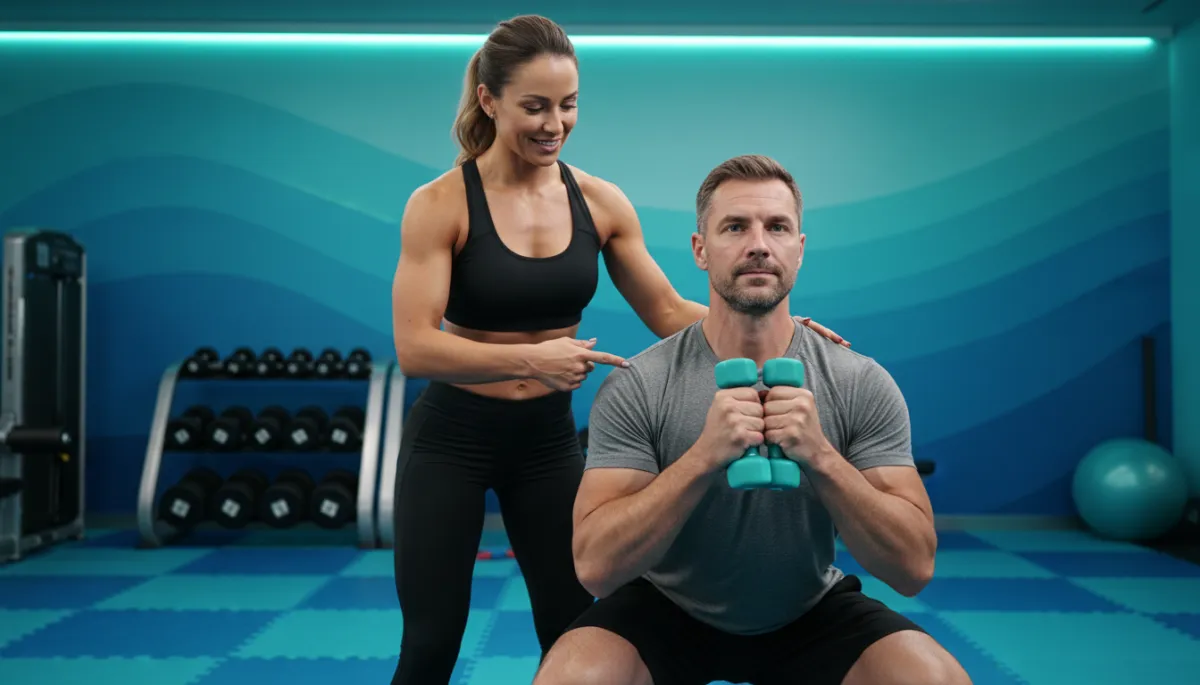
Simple exercise modifications help maintain progress while protecting a sensitive lower back.
Pain Management and the Role of Hyperwave Therapy
A comprehensive pain management approach often combines activity modification, targeted strengthening, manual therapy, and modern modalities. One emerging option is Hyperwave Therapy, a noninvasive technology designed to stimulate tissue healing, reduce inflammation, and modulate pain signals without medication or surgery.
When integrated into a structured rehabilitation plan, Hyperwave Therapy may help athletes and regular gym members return to training sooner and with greater comfort. It should be used alongside professional assessment, progressive loading, and clear communication between you, your therapist, and your coach or trainer.
📌 Key Takeaway: Technology such as Hyperwave Therapy can support recovery, but it does not replace proper technique, intelligent programming, and respect for your body’s signals.
Building a Long-Term Strategy for Training With Back Pain
Back pain does not automatically mean the end of your gym training journey. By understanding your symptoms, making thoughtful Rest Vs Train decisions, using appropriate exercise modifications, and exploring evidence-informed pain management options such as Hyperwave Therapy, you can continue to train safely and effectively. Partner with qualified health and fitness professionals, listen to your body, and prioritize form over ego to support both performance and long-term spinal health.