
Achilles Tendinopathy: Effective Treatment Options
Achilles Tendinopathy, Heel Pain, Running Injuries, Hyperwave Therapy
Achilles Tendinopathy: Why Rest Alone May Not Solve Persistent Heel Pain
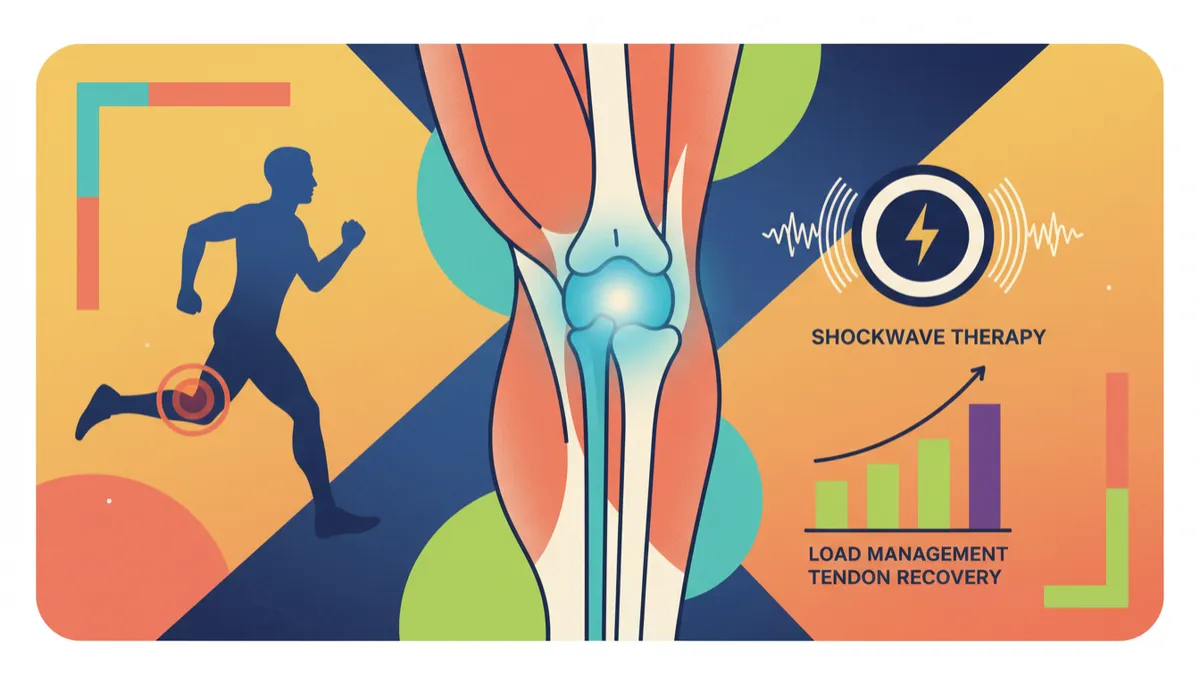
Persistent heel pain can sideline even the most dedicated walker or runner. Many people try simply “resting it,” only to find the discomfort returns as soon as they become active again. When the problem is Achilles tendinopathy—not plantar fasciitis—rest alone is rarely enough. This guide explains how to tell these conditions apart and why gradual load management, combined with options such as Hyperwave shockwave treatment, is often essential for lasting tendon recovery.
Achilles Tendinopathy vs. Plantar Fasciitis: Knowing Which Heel Pain You Have
“Heel pain” is a broad term. Two of the most common causes are Achilles tendinopathy and plantar fasciitis, and they behave quite differently. Understanding the distinction is the first step toward choosing the right treatment strategy.
Where does it hurt?
Achilles Tendon Pain: Typically felt at the back of the heel or slightly above it. You may notice a thickened, tender area along the Achilles tendon, especially 2–7 cm above where it attaches to the heel bone (midportion tendinopathy) or right at the bony insertion (insertional tendinopathy) (sportsmedoa.com).
Plantar Fasciitis: Pain is usually under the heel, on the sole of the foot, often slightly toward the inside. It is commonly worst with the first steps in the morning or after sitting.
When does it hurt most?
Achilles tendinopathy: Often flares during and after activity such as running, jumping, or climbing stairs. Morning stiffness is common, but pain is closely tied to how much load the tendon has experienced.
Plantar fasciitis: Sharp, “knife-like” heel pain with first steps, easing somewhat as you move, then returning after long periods standing or walking.
📌 Key Takeaway: Pain behind the heel that worsens with loading—especially in runners—is more suggestive of Achilles tendinopathy than plantar fasciitis. A qualified clinician can confirm the diagnosis and tailor a plan accordingly.
Why Rest Alone Rarely Fixes Achilles Tendinopathy
Achilles tendinopathy is not simply an “inflamed tendon.” Modern research shows it is primarily a problem of tendon capacity and how it responds to mechanical load. When training volume, intensity, or footwear change faster than the tendon can adapt, microscopic damage accumulates. The tendon becomes painful, thickened, and less efficient at handling stress.
Complete rest may temporarily reduce Achilles tendon pain, but it also reduces the tendon’s ability to tolerate load. When you return to running or sport at your previous level, the tendon is often less prepared, and symptoms quickly return—sometimes worse than before. This is why leading guidelines emphasize education and progressive loading programs as the foundation of treatment (ifspt.org).
Gradual Load Management: The Core of Tendon Recovery
Load management means finding the “sweet spot” between too much stress—which aggravates symptoms—and too little, which weakens the tendon. For runners and active individuals, this typically involves three components: adjusting activity, using structured strengthening, and pacing your return to sport.
1. Adjusting activity, not stopping completely
Reduce or pause high-impact activities that sharply load the Achilles tendon, such as sprinting, hill repeats, and jumping.
Maintain fitness with lower-impact options like cycling, deep-water running, or rowing, as tolerated.
2. Structured strengthening for Achilles tendon recovery
Evidence-based protocols typically include a mix of eccentric, concentric, and isometric calf exercises performed at least three times per week (ifspt.org). Examples include:
Heel raises on the floor for insertional Achilles tendinopathy, avoiding deep stretch that compresses the tendon against the heel bone.
Slow, heavy calf raises for midportion tendinopathy, progressing from two legs to one leg and eventually adding external load.
💡 Pro Tip: Mild discomfort (up to about 3/10) during exercises can be acceptable if symptoms settle within 24 hours. Sharp or worsening Achilles tendon pain is a signal to adjust load or seek professional guidance.
3. A phased return to running and sport
For many people, Achilles tendinopathy is closely tied to running injuries. Once daily activities are comfortable and calf strength improves, a graded running plan can begin. This might start with walk–jog intervals on flat, predictable surfaces, gradually increasing total running time and then speed, while monitoring next-day symptoms. The goal is not a quick fix, but a sustainable increase in tendon capacity.
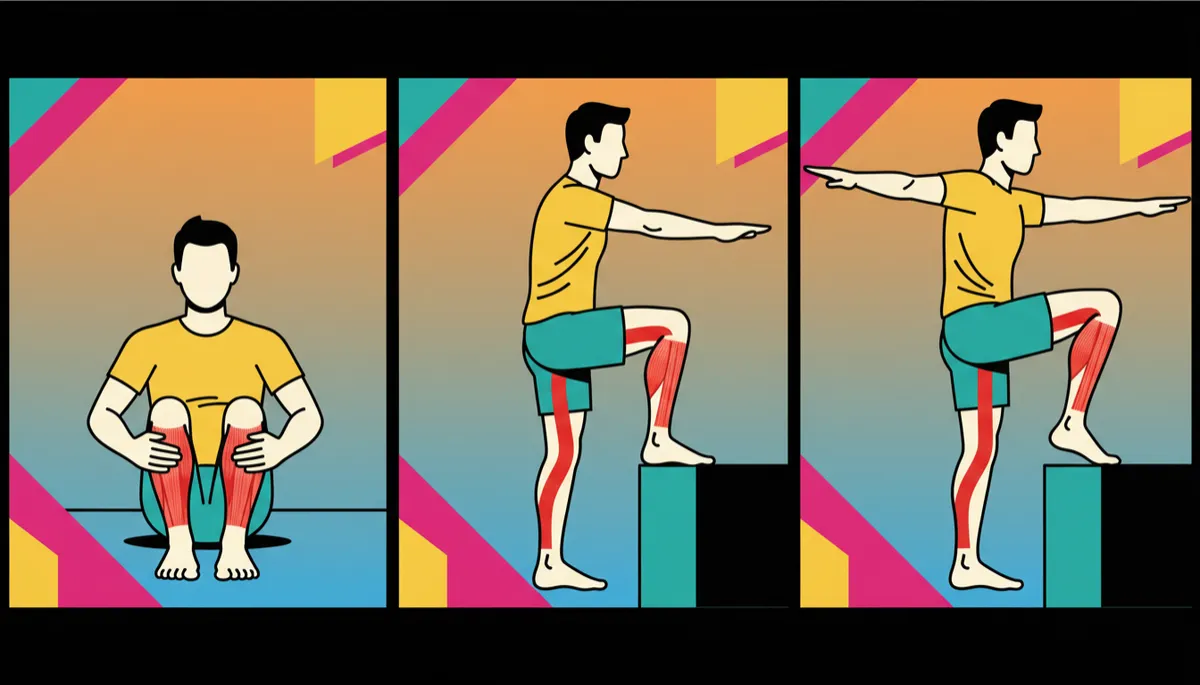
Progressive loading teaches the Achilles tendon to tolerate more stress safely over time.
Where Hyperwave and Focused Shockwave Treatment Fit In
While exercise-based load management remains the cornerstone of treatment, some individuals continue to struggle with Achilles tendon pain despite months of structured rehabilitation. In these persistent cases, clinicians may consider adjunct therapies such as Hyperwave therapy, a focused shockwave treatment designed to stimulate healing in stubborn tendon tissue.
What is Hyperwave therapy?
Hyperwave therapy is a modern, focused form of extracorporeal shockwave therapy (ESWT). During treatment, a device delivers controlled acoustic waves to the affected area. The goal is to:
Increase local blood flow and metabolic activity in the tendon region.
Stimulate cellular responses associated with tissue repair.
Modulate pain signaling, potentially reducing symptoms enough to allow more effective participation in rehab.
What does current evidence say about shockwave for Achilles tendinopathy?
Research on ESWT for Achilles tendinopathy is evolving. Recent randomized trials and meta-analyses up to 2026 show that, on average, shockwave therapy offers limited or no clear advantage over high-quality exercise programs alone for pain and function (pubmed.ncbi.nlm.nih.gov, pubmed.ncbi.nlm.nih.gov). Some subgroup analyses suggest short-term pain reduction in people with symptoms shorter than 12 months, but these findings are considered exploratory.
Professional guidelines therefore do not recommend ESWT as a first-line treatment for Achilles tendinopathy. Instead, it is viewed as a second-line adjunct for carefully selected, persistent cases where progressive loading has been tried consistently without sufficient improvement (nice.org.uk).
How Hyperwave may help this condition in real life
In clinical practice, Hyperwave-focused shockwave therapy is often used to complement—not replace—load management. When applied appropriately, it may:
Provide a modest reduction in Achilles tendon pain, making it easier to perform strengthening exercises with good technique and adherence.
Offer an additional stimulus for tendon healing in cases where progress has plateaued despite months of rehabilitation.
Support a smoother transition back to running or sport by improving comfort during higher-load phases of rehab.
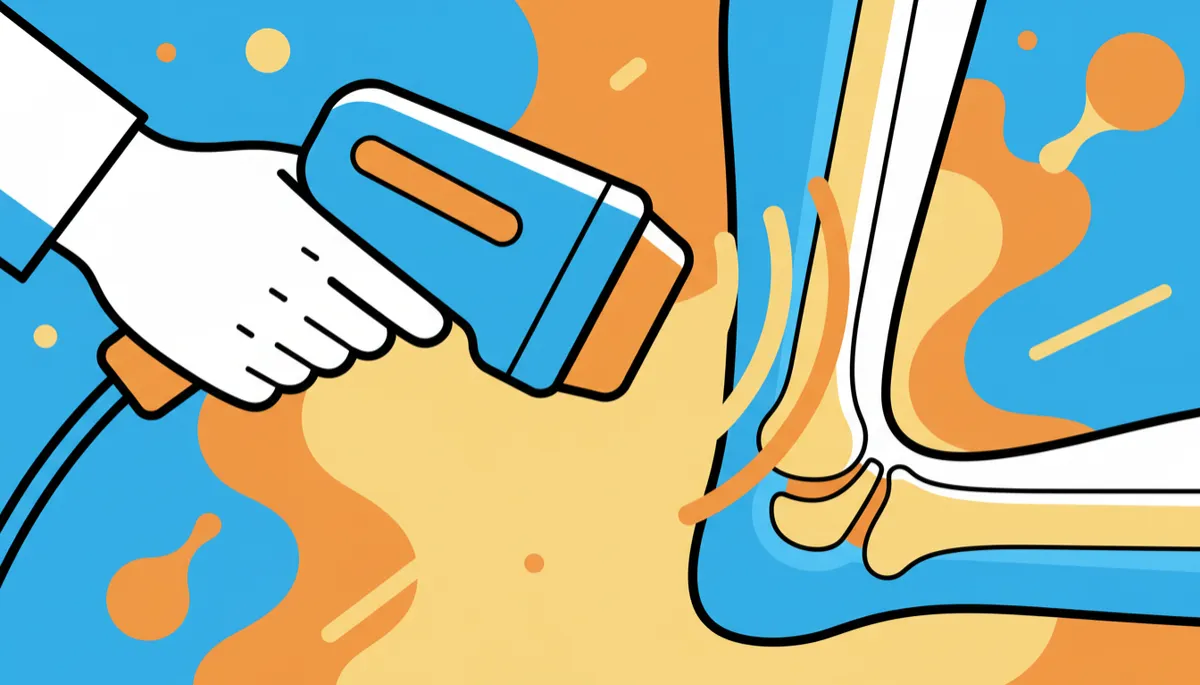
Hyperwave therapy is best used as an adjunct to a structured loading and rehabilitation program.
⚠️ Warning: Shockwave treatment is not appropriate for everyone. Rare complications, including tendon rupture, have been reported with focused ESWT in Achilles tendinopathy (pubmed.ncbi.nlm.nih.gov). Always discuss risks, benefits, and alternatives with a qualified healthcare professional.
Building a Personalized Plan for Persistent Heel Pain
Successful management of Achilles tendinopathy is rarely about a single treatment. Instead, it involves a thoughtful combination of strategies tailored to your specific presentation, goals, and lifestyle. A typical plan might include:
Accurate diagnosis distinguishing Achilles tendinopathy from plantar fasciitis or other causes of heel pain.
Education about tendon recovery, realistic timelines, and the importance of consistent load management.
A progressive strengthening program tailored to midportion or insertional Achilles tendon pain, often guided by a physical therapist or sports medicine professional.
Thoughtful return-to-running planning, including surface choice, footwear, and gradual increases in volume and intensity to prevent recurrent running injuries.
Consideration of adjunct options such as heel lifts, taping, or, in stubborn cases, Hyperwave shockwave therapy, always layered on top of—not instead of—exercise-based care.
The Bottom Line: Active Recovery Beats Passive Rest
Persistent heel pain can be frustrating, particularly when it keeps you from the activities you enjoy. If your symptoms match Achilles tendinopathy—pain and stiffness at the back of the heel that flares with loading—simply resting until it “goes away” is unlikely to provide a durable solution. Tendons respond best to smart, progressive loading, not prolonged avoidance of movement.
By distinguishing Achilles tendon pain from plantar fasciitis, working with a professional to structure your load management, and considering adjunct options such as Hyperwave therapy when appropriate, you can move beyond short-term relief and toward genuine tendon recovery. The process takes time, but with the right plan, most people can return to running, walking, and sport with confidence in their Achilles once again.